
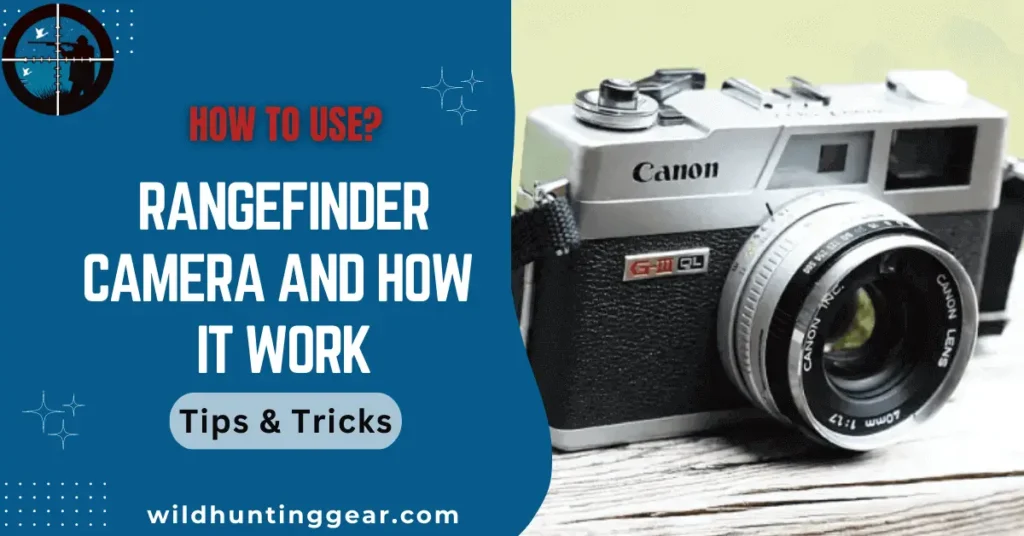
If you’ve ever picked up a classic-looking camera with a small window above the lens and wondered, “how does a rangefinder camera work?”, you’re not alone. Rangefinder cameras have a loyal following among street and documentary photographers, but their focusing system can seem mysterious at first glance.
In this guide, we’ll break down exactly how does a rangefinder camera work, walk through the key parts that make it tick, and share practical tips for getting sharp, beautifully composed photos every time. Whether you’re considering your first rangefinder or you already own one and want to use it more confidently, this article has you covered.
How Does a Rangefinder Camera Work?
A rangefinder camera uses a separate optical system, distinct from the main lens, to help you focus accurately. When you look through the viewfinder, you’ll notice two overlapping images of your scene. One comes from the main viewfinder window, and the other comes from a second window connected to the focusing mechanism.
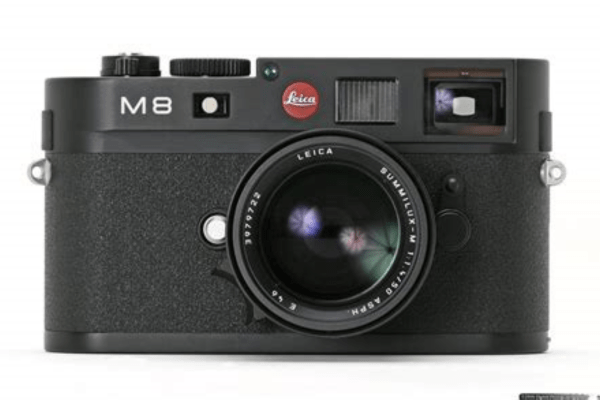
As you turn the focusing ring on the lens, that second image shifts. When the two images line up perfectly into one sharp, single image, your subject is in focus. This is sometimes called a “coincident image” or “split image” rangefinder, and it relies on a simple optical principle called triangulation, the same idea surveyors use to measure distance.
Unlike an SLR or mirrorless camera, you’re not looking directly through the lens. Instead, you’re looking through a window beside it, which is part of why rangefinder cameras tend to be smaller, quieter, and faster to use in fast-moving situations like street photography.
Key Components of a Rangefinder Camera
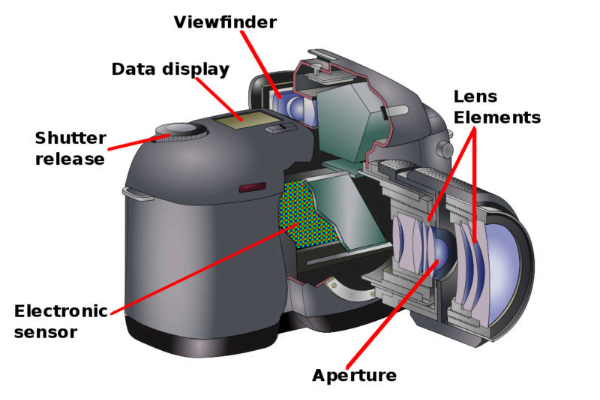
To really understand how does a rangefinder camera work, it helps to know the main parts involved and what each one does:
Aperture and shutter speed dials: On most rangefinders, these are set manually, giving you full creative control over exposure.
Lens: Gathers light and projects the image onto the film or digital sensor. The focusing ring on the lens is what you turn to align the rangefinder images.
Viewfinder: A separate window you look through to compose your shot. It often shows frame lines for different focal lengths.
Rangefinder window: A small secondary window, usually near the viewfinder, that feeds the second image used for focusing.
Rangefinder patch: The small rectangle or circle in the center of the viewfinder where the two images overlap and need to be aligned.
Shutter release button: Triggers the exposure once your shot is composed and focused.
Understanding the Rangefinder Focusing Mechanism
Once you understand the basic components, the focusing process itself is fairly intuitive:
- Look through the viewfinder and find your subject.
- Notice the small rangefinder patch in the middle of the frame, it will show a faint, doubled or offset version of your subject.
- Turn the lens’s focusing ring slowly while watching that patch.
- As you adjust focus, the doubled image moves until it merges into a single, aligned image.
- When the images coincide perfectly, your subject is in sharp focus at that distance.
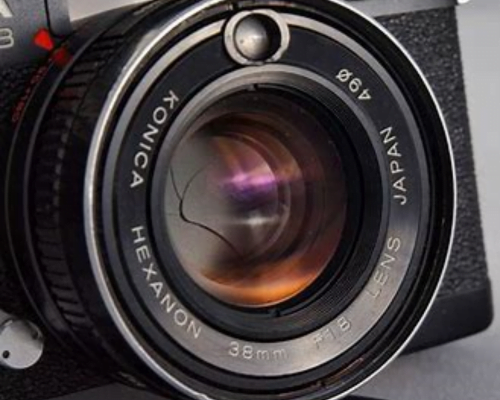
Because this system measures distance through triangulation rather than reading contrast or phase information from the lens itself, it tends to work very well even in low light, one of the reasons rangefinder cameras have long been favored for photojournalism and night photography.
It’s also worth noting that most true rangefinder cameras are manually focused. The rangefinder mechanism tells you when focus is correct, but you still need to set the focus, aperture, and shutter speed yourself. This hands-on process is part of what gives rangefinder photography its distinctive, deliberate feel.
10 Tips and Tricks for Using a Rangefinder Camera
Now that you know how does a rangefinder camera work, here are some practical tips to help you get the most out of one:
- Practice focusing without looking away. Spend time getting comfortable aligning the rangefinder patch quickly, this is the skill that makes rangefinder shooting feel fast and natural.
- Pre-focus for moving subjects. Since rangefinders excel at street photography, try setting your focus distance in advance and waiting for your subject to enter that zone.
- Watch for parallax error. Because the viewfinder is offset from the lens, your framing can shift slightly at close distances. Many rangefinders show frame lines that adjust for this, so pay attention to them.
- Use a lens hood. This helps reduce flare and protects your lens, especially useful since you can’t preview flare through an optical viewfinder.
- Choose your exposure settings deliberately. With manual aperture and shutter speed, take a moment to think about depth of field and motion before you shoot.
- Look for strong natural light. Rangefinders shine in available-light situations, so make the most of soft window light, golden hour, or street lighting.
- Steady your hands or use a strap. Many rangefinders are light and compact, but a stable grip (or a wrist strap) helps avoid camera shake at slower shutter speeds.
- Simplify your composition. Pay attention to background clutter, since what you see in the viewfinder isn’t exactly what the lens sees, especially at close range.
- Experiment with different lenses. Many rangefinder systems support a range of fast, compact lenses that are ideal for portraits and low-light work.
- Practice, practice, practice. The more you shoot, the faster and more natural the focus-and-shoot rhythm becomes.
Maintenance and Care for Rangefinder Cameras
Rangefinder cameras are precision instruments, and a little care goes a long way toward keeping them accurate and reliable:
- Clean the lens regularly with a proper microfiber cloth to avoid scratches and keep images sharp.
- Keep the camera in a protective case or bag when you’re not shooting.
- Avoid exposing the camera to excessive humidity or moisture; if you’re shooting in wet conditions, use a weather-resistant cover.
- Store your camera and lenses in a cool, dry place away from direct sunlight and extreme temperatures.
- Change lenses carefully in a clean environment to avoid dust entering the camera body or rangefinder mechanism.
- Check batteries regularly, especially on rangefinders with electronic metering.
- Have your camera serviced periodically by a qualified technician, since the rangefinder alignment can drift over time and may need recalibration.
- Use a secure case when traveling, and never leave your camera unattended in public.
- Back up your photos regularly so you never lose important shots.
Advantages and Disadvantages of Rangefinder Cameras
Advantages
- Excellent low-light focusing performance thanks to the triangulation-based rangefinder mechanism.
- Compact, lightweight bodies that are easy to carry all day.
- Quiet shutters, making them ideal for candid street and documentary photography.
- A simple, tactile shooting experience that encourages thoughtful composition.
- A wide viewfinder that lets you see slightly beyond the frame, helpful for anticipating action.
Disadvantages
- A more limited selection of compatible lenses compared to SLR or mirrorless systems.
- Parallax error at close focusing distances.
- Not ideal for telephoto work, sports, or fast-action photography where through-the-lens focusing is an advantage.
- A learning curve for photographers used to autofocus systems.
- Rangefinder bodies and lenses, especially well-known brands, can come at a premium price.
Final thought
So, how does a rangefinder camera work in practice? It comes down to a simple but elegant idea: two overlapping views of your subject, aligned through a separate optical system, that tell you exactly when your focus is correct. This manual, hands-on approach gives rangefinder cameras their reputation for being quiet, compact, and wonderfully direct to use.
While they come with trade-offs, such as a smaller lens lineup and the challenge of parallax at close range, rangefinder cameras remain a favorite for street photography, documentary work, and anyone who enjoys a more deliberate, tactile way of shooting. With a bit of practice and the tips above, you’ll be well on your way to capturing sharp, compelling images with confidence.