Spotting scopes are essential tools for birdwatching, target shooting and general wildlife observation. To make the most of your spotting scope, you need a reliable tripod that provides a stable platform for your equipment. But are spotting scope tripods universal?
In this comprehensive article, we will explore the differences between tripod models, discuss factors that influence compatibility and help you select the perfect tripod to support your unique spotting scope.
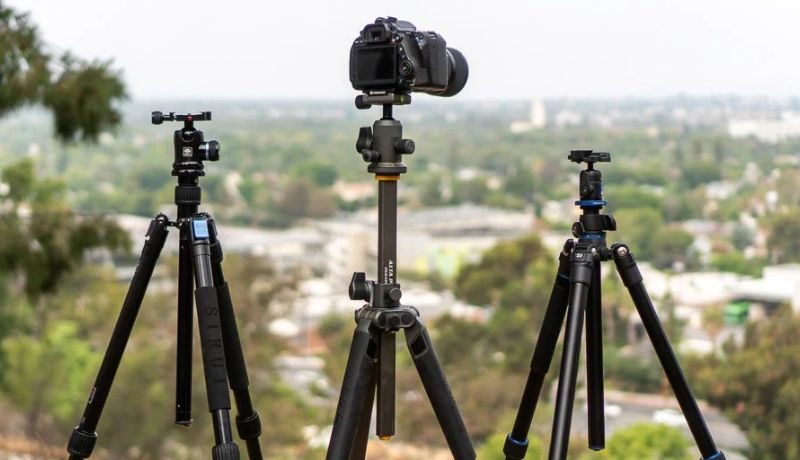
Are Spotting Scope Tripods Universal?
In general, spotting scope tripods are not universally compatible. While there is a standardized threading size (1/4-20) used in most tripods and spotting scopes, the design and size differences between various models can affect the overall compatibility.
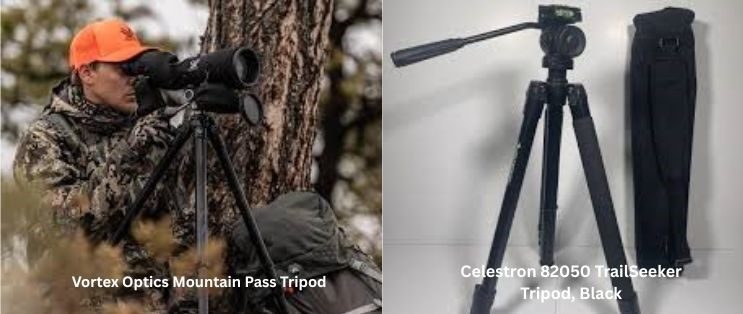
Factors such as the weight of the spotting scope, the size of the tripod and the presence of features like a pan head can influence how well a particular tripod supports a specific spotting scope. Therefore, while many tripods can accommodate a wide range of spotting scopes, it’s always best to check the specifications of both products to ensure a good fit.
Types of Spotting Scope Tripods
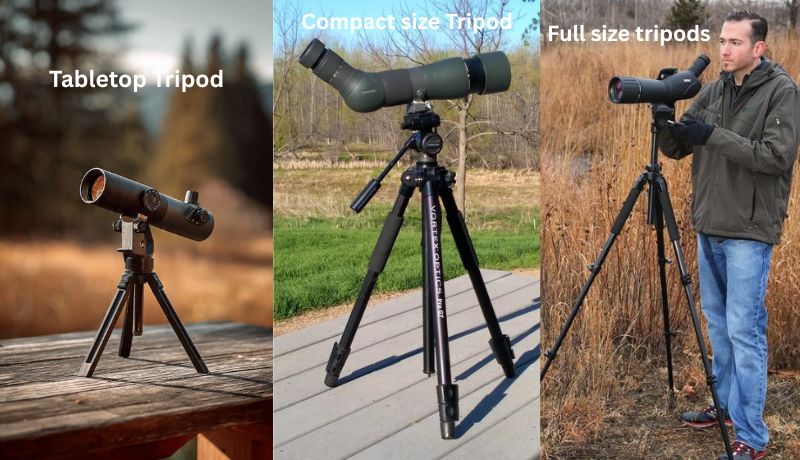
There are three primary types of spotting scope tripods to consider: compact, full-size and tabletop.
Compact Tripods: Compact tripods are ideal for those who require portability and flexibility. These tripods are lightweight, easy to pack and perfect for on-the-go spotting scope users. However, their small size may not provide the most stable support for larger, heavier scopes.
Full-Size Tripods: Full-size tripods offer the most stable and reliable support for your spotting scope. They are designed to handle larger, heavier scopes and can be adjusted to a comfortable height for extended viewing. Full-size tripods are typically heavier and less portable than compact tripods but offer unparalleled stability and durability.
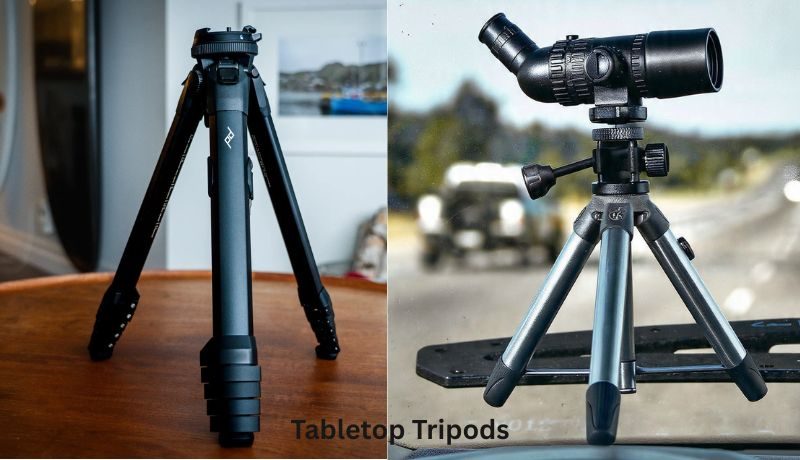
Tabletop Tripods: Tabletop tripods are perfect for casual, indoor use or for use with smaller, lightweight spotting scopes. As the name suggests, these tripods are designed to sit on a tabletop or other flat surface. They offer limited height adjustment and aren’t as stable as full-size tripods but can be a convenient option for specific viewing situations.
Each type of tripod caters to different needs and situations. Therefore, it’s essential to consider the type of spotting scope usage you’ll be engaging in before making a purchase
Different Spotting Scope Tripod Components
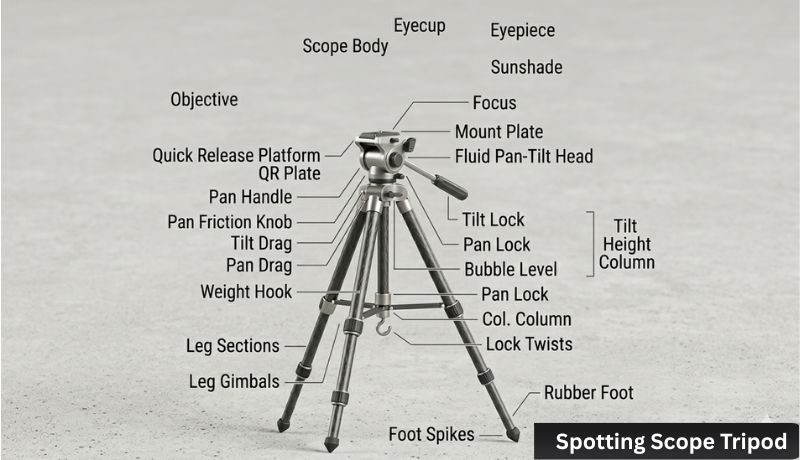
When choosing a spotting scope tripod, it’s crucial to understand its various components and how they impact the tripod’s performance. Here are the key parts you should familiarize yourself with:
- Head: The head of the tripod is where you mount your spotting scope. It comes in different designs, with the most common ones being the pan-tilt and the ball heads. The pan-tilt head moves horizontally and vertically, offering a smooth operation ideal for tracking moving objects. On the other hand, ball heads offer more flexibility with movement but may be harder to control.
- Legs: Tripod legs determine the stability and height of your setup. They can be made from various materials such as aluminum, carbon fiber, or even plastic. Tripod legs can have different sections, usually 2 to 4, which can be extended or retracted to adjust the tripod’s height.
- Feet: The feet of the tripod can either be rubber or spiked. Rubber feet are ideal for indoor or smooth surfaces as they provide stability and prevent slipping. Spike feet are useful on uneven or soft ground like grass, as they can dig in for a better grip.
- Center Column: The center column is an adjustable section in the middle of the tripod that can be raised or lowered to fine-tune the height. However, extending the center column can compromise the stability of the tripod.
- Locks: Tripod leg locks keep the legs from collapsing once they are extended. They come in two types: flip locks and twist locks. Flip locks are quick and easy to use, while twist locks are less likely to fail but may be slower to operate.
Understanding these components will not only help you pick the right spotting scope tripod but also allow you to use it more effectively.
Factors Influencing Compatibility
Several factors can influence the compatibility between a spotting scope and a tripod. These include:
- Weight Capacity: The weight capacity of the tripod should be greater than the weight of the spotting scope. If the scope is too heavy, it can cause the tripod to topple or the mounting platform to fail.
- Mounting Screw Size: The size of the mounting screw on the tripod should match the threading on the scope. The standard thread size is 1/4-20, but some larger scopes may use a 3/8-16 thread.
- Head Type: The type of head on the tripod should match the spotting scope’s needs. Pan-tilt heads provide smooth movement and are ideal for tracking moving objects, while ball heads offer greater flexibility.
- Height: The height of the tripod should allow comfortable viewing. Too low and you may have to stoop. Too high and it may not be stable.
- Stability: The tripod must be stable enough to hold the scope still for clear viewing. Bigger, heavier scopes require more robust tripods.
- Price and Quality: Higher-quality tripods tend to be more expensive, but they are typically more durable and stable and provide better performance.
- Material: The material of the tripod can affect its stability, durability and weight. For instance, carbon fiber tripods are lightweight and sturdy, but they tend to be more expensive than aluminum ones.
Always make sure to check the specifications of both products before purchasing to ensure a good fit. With the right tripod, you can enhance your spotting scope experience and capture stunning views with stability and ease. So, take your time and consider these factors carefully when selecting a spotting scope tripod that is perfect for you. Happy viewing!
Tips for Choosing a Universal Spotting Scope Tripod
- Researching spotting scope specifications: Assess your spotting scope’s dimensions, weight and mounting screw size. This information will help you identify tripods with the appropriate specifications for your specific scope.
- Understanding different head types: As mentioned earlier, pan-tilt heads offer smooth tracking while ball heads provide more flexibility. Make sure to choose a head type that suits your needs.
- Considering the material: The tripod’s material can affect its weight, stability and durability. If you will be carrying the tripod on long hikes or trips, a lighter material like carbon fiber may be more suitable.
- Checking for adjustable legs and center column: Being able to adjust the height of your tripod is essential for comfortable viewing. Make sure to look for tripods with adjustable legs and center columns.
- Testing stability: If possible, try setting up the tripod and mounting your spotting scope before purchasing. This will allow you to test its stability and make sure it can handle the weight of your scope.
- Reading reviews: Take the time to read reviews from other customers who have used the same tripod you are considering. This will give you a better understanding of its performance and any potential issues.
By considering these tips, you can ensure that you select a high-quality, universal spotting scope tripod that will enhance your outdoor viewing experience. Happy hunting! So, take your time and consider these factors carefully when selecting a spotting scope tripod that is perfect for you.
Case Studies and Real-world Example
Case Study 1: Birdwatching Enthusiast
John, a dedicated birdwatcher, purchased a large, high-powered spotting scope to observe and photograph birds. The scope was heavy, making handheld use impossible. John initially bought a cheaper, lightweight aluminum tripod. But due to the scope’s weight, the tripod was unstable, leading to blurry images and a frustrating experience.
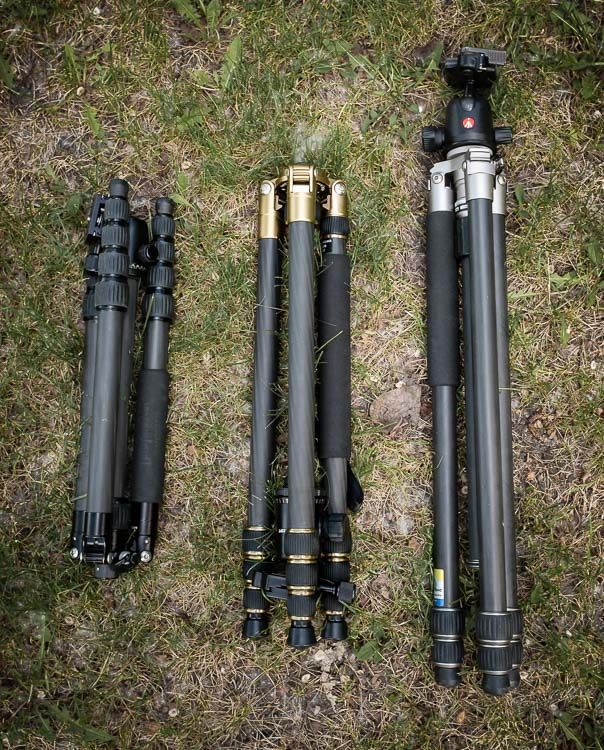
After doing some research, John invested in a sturdy, carbon fiber tripod with a pan-tilt head. The new tripod’s high weight capacity easily supported his heavy scope and the pan-tilt head made smooth tracking of birds in flight a breeze. John’s images became crisp and clear, drastically enhancing his birdwatching experience.
Case Study 2: Amateur Astronomer
Sarah, an amateur astronomer, owned a mid-sized spotting scope for her stargazing hobby. She prioritized height in her old tripod, opting for a taller model to avoid stooping during viewing. However, she found the tripod unstable at its maximum height, hampering her stargazing sessions.
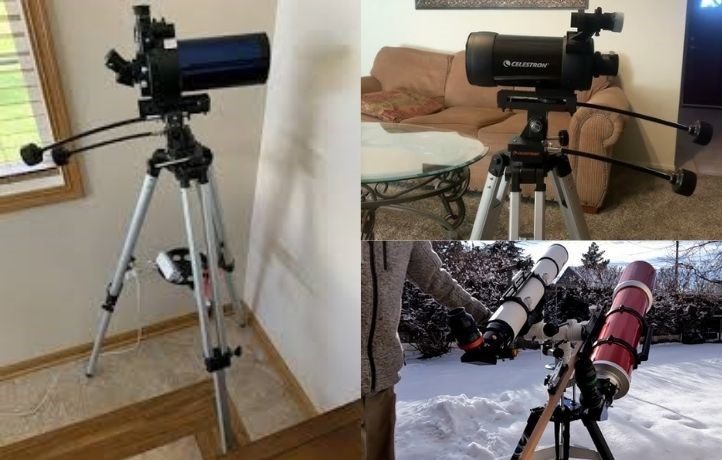
Sarah then switched to a high-quality, robust tripod with a center column for precise height adjustment. Even at greater heights, the new tripod maintained its stability, allowing Sarah to comfortably observe celestial bodies.
Real-world Example: Wildlife Photographer
Dave, a wildlife photographer, needed a sturdy yet flexible tripod for his spotting scope. He often photographed fast-moving animals, requiring quick repositioning and tracking of his scope. Dave chose a robust, carbon fiber tripod with a ball head. The ball head allowed him quick and diverse movement, capturing stunning images of wildlife in action.
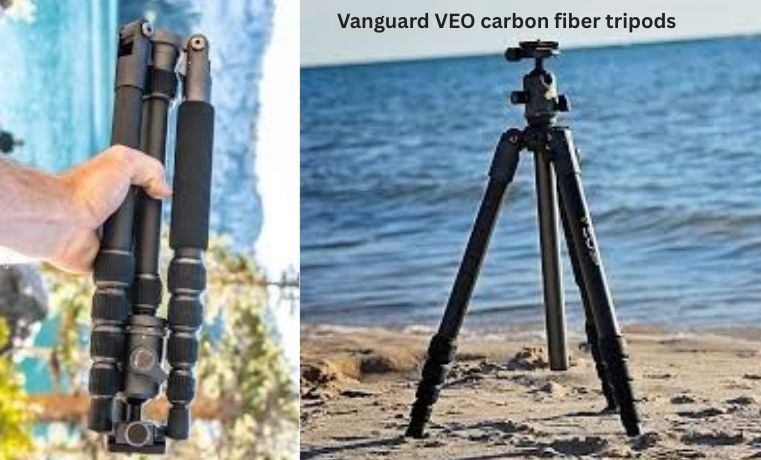
His choice of a carbon fiber tripod also made his field trips easier due to its lighter weight. Dave’s selection demonstrates the importance of understanding one’s needs when choosing a tripod. By considering the type of photography or viewing activities, one can select a tripod that enhances their experience. So, take your time and consider these factors carefully when selecting a spotting scope tripod that is perfect for you.
Conclusion:
While it may seem like a daunting task to find a universal spotting scope tripod, the good news is that they do exist. After researching and discussing several factors, we have come to the conclusion that with the right research and understanding of your specific needs, you can definitely find a tripod that will work for most spotting scopes.
Remember, a sturdy and reliable tripod is crucial for obtaining clear and steady views through your spotting scope. So don’t settle for just any tripod, take your time to thoroughly review options that meet your requirements. Whether you’re an avid birdwatcher or hunter wanting a steady aim, or simply someone who loves outdoor activities such as stargazing or wildlife viewing, having a compatible and universal spotting scope tripod can enhance your experience greatly. So take our advice and be sure to invest in the right tripod for your needs.