
As hunters, accurate ranging is crucial for a successful hunt. However, Mother Nature doesn’t always play along and sometimes we face challenging light conditions or unpredictable weather. This can greatly impact our rangefinders‘ effectiveness and ultimately affect our shots’ accuracy.
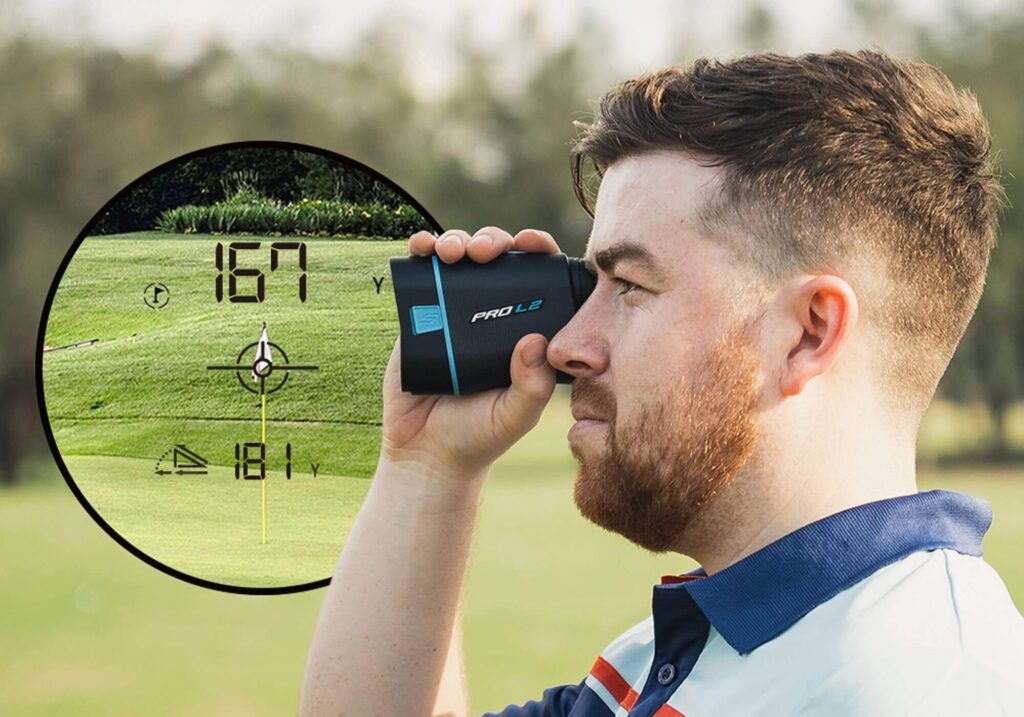
In this blog post, we will share 5 expert tips on how to maximize your rangefinder efficiency in any light or weather condition so you can take on any hunting challenge with confidence. So grab a cup of coffee and settle in as we dive into these valuable tips that will elevate your hunting game.
What is a rangefinder and how to use it?
A rangefinder is an essential tool used by hunters to measure the distance to a target with high precision. These devices utilize laser technology to send out a beam of light that bounces off the target and returns to the rangefinder, providing an instant reading of the distance. This measurement allows hunters to make more accurate shots by adjusting their aim based on the distance to the target.
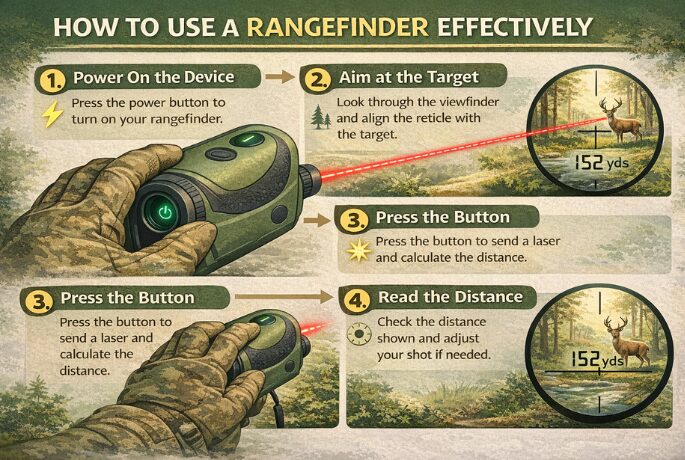
To use a rangefinder effectively, follow these steps:
- Power On the Device: Turn on your rangefinder by pressing the power button.
- Aim at the Target: Look through the viewfinder and aim the reticle at your intended target.
- Press the Button: Press the button to send out the laser beam. The rangefinder will calculate the distance and display it in the viewfinder.
- Read the Distance: Note the distance displayed and make the necessary adjustments to your shot.
By integrating a rangefinder into your hunting toolkit, you can significantly increase your chances of a successful and ethical hunt. Proper use of this device ensures that you are fully prepared for any hunting situation, regardless of the light or weather conditions.
5 Tips to Maximize Rangefinder Efficiency in Any Light or Weather
When it comes to hunting, your rangefinder is an invaluable tool, but certain conditions can hinder its performance. By following these expert tips, you can ensure that your rangefinder delivers accurate readings in any light or weather situation.
1. Adjust the Brightness Settings
Most modern rangefinders come equipped with adjustable brightness settings for the reticle display. In low-light conditions, reduce the brightness to avoid any glare that can obscure your target. Conversely, increase the brightness during bright sunlight to ensure the display is visible against the backdrop of your environment.
2. Use a Stabilizing Technique
Holding your rangefinder steady is key to obtaining accurate readings. In adverse weather with strong winds or when making long-distance measurements, stabilize your rangefinder against a tree, or your knee, or use a tripod. This reduces the margin of error caused by hand movements, ensuring that the laser hits the intended target precisely.
3. Account for Fog and Rain
Rain and fog can scatter the laser beam, leading to inaccurate readings. Ensure that the lens and laser emitter are clean and dry before use. Some high-end rangefinders come with rain or fog mode to compensate for these conditions. Switching to these modes can mitigate errors and provide more reliable distance measurements.
4. Leverage Reflective Targets
Natural surfaces like foliage and fur can sometimes diffuse the laser signal. In such cases, using a reflective target or a ranging device with a “reflective target mode” can vastly improve accuracy. A reflective target can help the rangefinder lock onto and measure more efficient distances, especially in low-light or uneven terrains.
5. Practice Regularly
Familiarity with your rangefinder under varying conditions is crucial. Regular practice in different environments—whether at dawn, dusk, or during inclement weather—will help you understand how your rangefinder reacts. Knowledge gained from practice equips you to quickly adjust settings and techniques, making you more adept in real-life hunting scenarios.
By incorporating these tips into your hunting routine, you can enhance the performance of your rangefinder, ensuring accurate and reliable distance measurements in any light or weather condition.
Adjusting Rangefinder for Different Lighting
Effectively adapting your rangefinder to varying lighting conditions is crucial for accurate distance measurements. Here are some key strategies to optimize your rangefinder’s performance in different lighting environments:
Bright Sunlight
In bright sunlight, glare can hinder your ability to see the display. To combat this, increase the brightness of the reticle and display. Many rangefinders come with anti-glare coatings or sun filters; ensure these features are active. Position yourself so that the sun is behind or to the side to reduce direct glare on the rangefinder’s lens.
Low-Light Conditions
Early mornings and late evenings are prime hunting times, often characterized by low light. Reducing the brightness of the reticle is important in these situations to prevent it from overwhelming your eyes. Some models offer a night mode or low-light feature that enhances visibility. Utilize these settings to improve your ability to lock onto targets in dim conditions.
Overcast Skies
Cloudy weather can dull your visibility and affect distance accuracy. Under these conditions, adjust the rangefinder’s brightness settings to a moderate level to create a balance between clarity and brightness. Keeping the rangefinder steady and using a tripod can also help mitigate any loss of accuracy due to diffused lighting.
Dark Environments
In extremely dark environments, such as dense forests or during nighttime, additional aids such as a flashlight or headlamp can be useful. However, to avoid spooking wildlife, use a low-intensity red or green light. Some high-end rangefinders offer infrared capabilities to measure distances in complete darkness, providing an extra edge in nocturnal hunting.
Adapting your rangefinder to suit various lighting conditions will ensure consistent performance and precise distance measurements, regardless of the time of day or weather.
Handling Rangefinder Various Weather Conditions
Properly managing your rangefinder’s performance in different weather conditions is vital for obtaining accurate readings. Here are some essential strategies for handling various weather scenarios:
Rainy Weather
Rain can cause water droplets to interfere with the laser signal, leading to inaccurate measurements. To mitigate this, choose a rangefinder with waterproof or water-resistant capabilities. Consider using an extra layer of protection by keeping the rangefinder in a waterproof cover or case when not in use. Additionally, regularly wipe off the lens and laser emitter with a microfiber cloth to prevent water accumulation and ensure clear optics.
Snow and Ice
Snow and ice can create reflective surfaces that may confuse the rangefinder. A model with an anti-reflective coating can be beneficial in these conditions. Keep the rangefinder at a consistent temperature to avoid internal condensation that can fog the lens. Wearing gloves with a good grip will also help you handle the device securely in cold weather.
Extreme Cold
Extreme cold can affect battery life and the rangefinder’s electronic components. Use lithium batteries, as they tend to perform better in lower temperatures. Keep spare batteries warm in an inside pocket to preserve their charge. Follow the manufacturer’s guidelines for operating temperature ranges and avoid exposing the device to sudden temperature changes to prevent condensation issues.
High Humidity
High humidity can lead to fogging on the lens and internals of the rangefinder. To combat this, choose a rangefinder with fog-proof features, often achieved through nitrogen purging and waterproof sealing. Consistently store the rangefinder in a moisture-absorbent case containing silica gel packs to reduce internal humidity.
Windy Conditions
Strong winds can cause instability, making it difficult to hold the rangefinder steady. Using a tripod or a stable rest can significantly improve measurement accuracy in windy conditions. Additionally, consider rangefinders with built-in image stabilization features to counteract the effects of hand movement caused by the wind.
By understanding and adapting to various weather conditions, you can ensure your rangefinder delivers reliable performance, contributing to a successful and enjoyable hunting experience.
Regular Maintenance and Calibration for Optimal Performance
To ensure that your rangefinder operates at peak efficiency, regular maintenance and calibration are essential. Just as you would clean and fine-tune other hunting equipment, your rangefinder requires specific care and attention to maintain its accuracy and longevity.
Clean the Lens and Laser Emitter
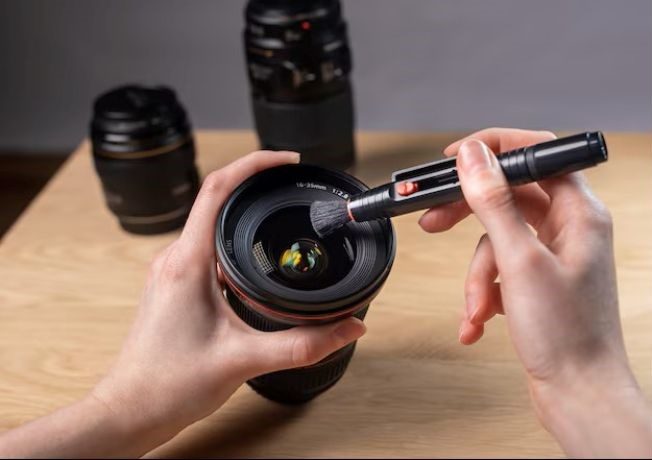
Dust, dirt and moisture can accumulate on the lens and laser emitter of your rangefinder, affecting its performance. Use a microfiber cloth to gently clean the lens and emitter after each use. Avoid using harsh chemicals or abrasive materials, as they can damage the delicate optics.
Store Properly
When not in use, store your rangefinder in a protective case to shield it from dirt, moisture and physical damage. Keeping it in a cool, dry place will prevent condensation and corrosion, which can impair its functionality over time.
Check Battery Levels
Low battery levels can lead to inconsistent readings or even device failure. Regularly check the battery life of your rangefinder and replace batteries as needed. It’s also a good practice to carry spare batteries during hunting trips to avoid any interruptions.
Regular Calibration
Over time, even the most reliable rangefinders may require recalibration to maintain precision. Follow the manufacturer’s guidelines for calibration procedures, which usually involve comparing the rangefinder’s readings to known distances and making necessary adjustments. Some high-end models may feature automatic calibration options.
Inspect for Damage
Before each use, inspect your rangefinder for any signs of physical damage, such as cracks, loose components, or damaged buttons. Addressing these issues promptly can prevent further damage and ensure the device’s reliability.
By adhering to these maintenance and calibration practices, you can significantly enhance the performance and lifespan of your rangefinder. Consistent care will ensure that this vital tool remains dependable, providing you with precise measurements for every hunt.
Wrap Up
The art of using a rangefinder is a valuable skill that can greatly enhance any hunting experience. By following these five tips, you can maximize its efficiency in any light or weather condition, giving you an edge in the field. Remember to always check your surroundings and adjust your settings accordingly, use reflective targets when necessary and take advantage of the different modes and features offered by modern rangefinders.
Keep practicing and familiarizing yourself with your equipment to ensure quick and accurate measurements. And most importantly, stay safe and responsible while hunting. So next time you’re out in the field, remember these tips and make the most out of your rangefinder.