

Have you ever wondered what type of binoculars the military uses for their operations? Binoculars are crucial in the military’s day-to-day activities, from surveillance and reconnaissance missions to combat situations. These high-powered optical instruments enhance soldiers’ vision, allowing them to gather intelligence and assess threats from a safe distance.
However, with so many different types of binoculars available on the market, it can be challenging to determine which specific models the military uses.
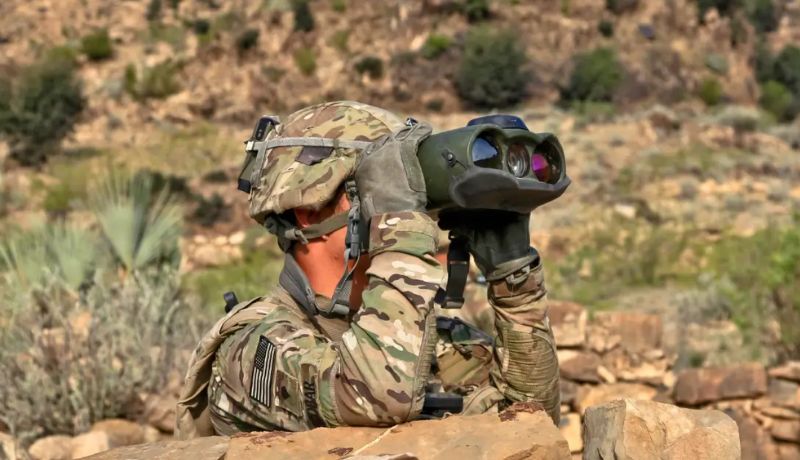
In this blog post, we will dive into the world of military-grade binoculars and explore their features, capabilities and how they differ from civilian versions. Whether you’re a curious civilian or a potential soldier looking for gear insights, this post will satisfy your curiosity about what binoculars our armed forces rely on.
Historical Background of Binoculars Used by Military
The use of binoculars in military operations dates back to the 19th century. Early military binoculars were often basic and cumbersome, featuring simple optics that provided limited magnification and clarity. During the American Civil War, soldiers utilized field glasses, essentially the forerunners of modern binoculars, to observe enemy movements from a distance.
The interwar period and World War II saw further innovations, with militaries around the world adopting compact and more advanced binoculars tailored to various combat scenarios. German and American forces, for example, used binoculars with specialized features such as reticles for rangefinding and stabilized images to counteract the effects of hand movements. The focal lengths, lens quality and ergonomics were continually improved to meet the harsh demands of the battlefield.
As optical technology advanced in the late 1800s and early 1900s, so too did the design and functionality of military binoculars. By World War I, armies had access to more sophisticated models with improved magnification, better lens coating and more durable construction. These enhancements allowed for greater accuracy in reconnaissance and artillery spotting.
This era marked a significant leap towards the modern military-grade binoculars we see today, setting a foundation for post-war advancements and the integration of cutting-edge technologies such as night vision and laser rangefinding in contemporary models.
What Binoculars Does the Military Use?
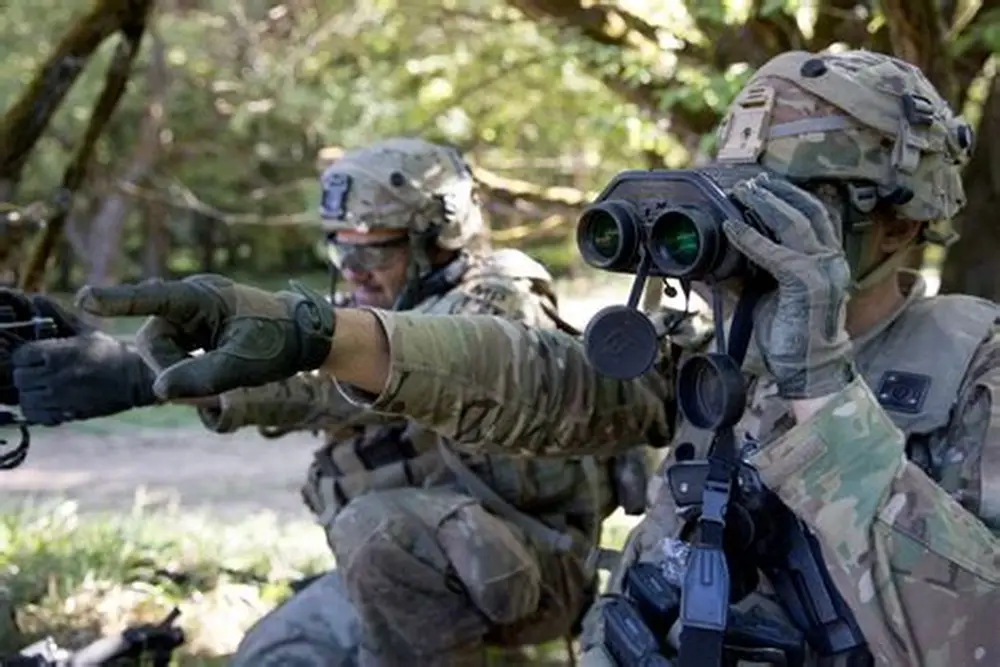
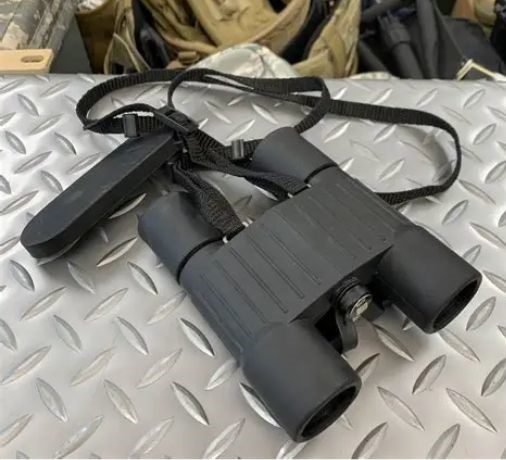
The modern military relies on a variety of binoculars tailored to specific needs and mission requirements. One of the most common models used by the US military is the M22 binocular, which is renowned for its durability and crystal-clear optics. The M22 offers 7x magnification and a 50mm objective lens, providing exceptional light transmission and a wide field of view, making it suitable for a range of duties from tactical surveillance to field reconnaissance.
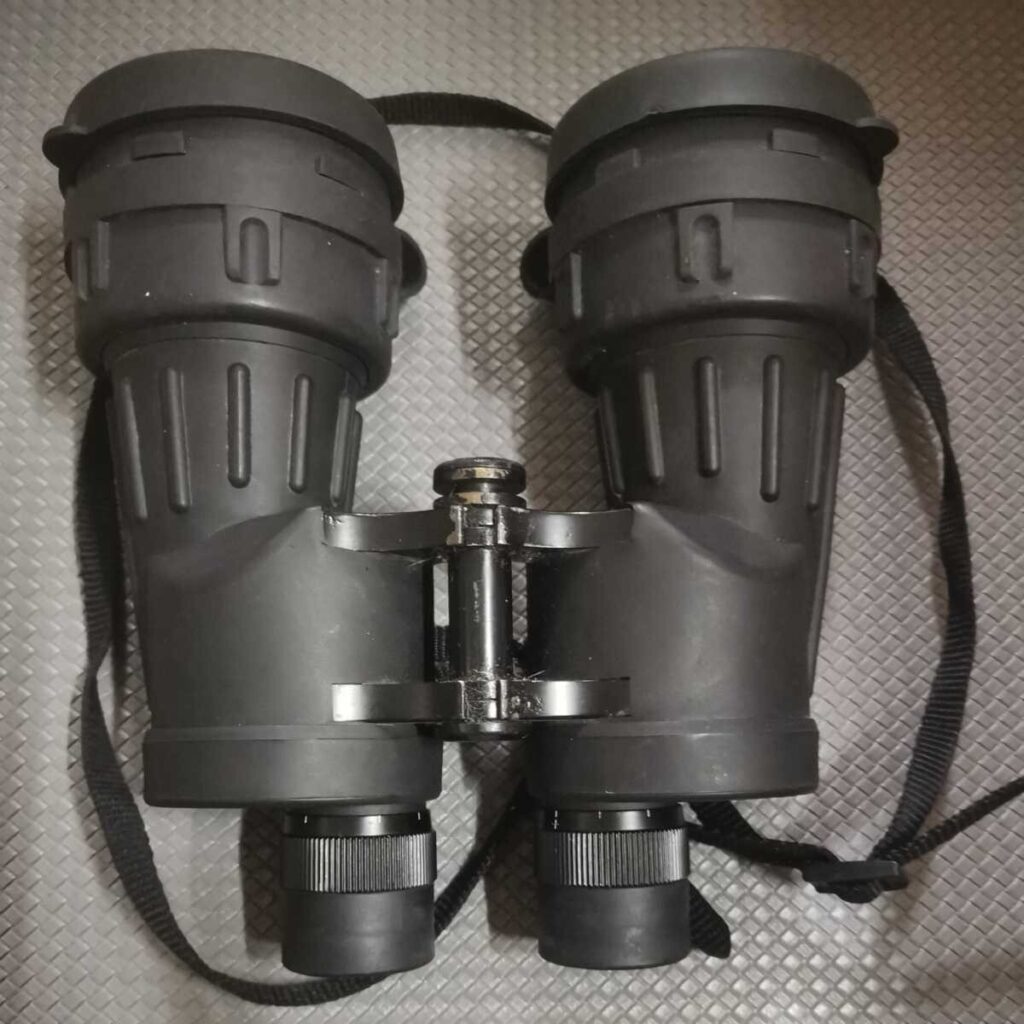
Another popular choice is the M24 binocular, a compact and rugged model favored for its portability and ease of use in close-range observation scenarios. The M24 provides 7x magnification with a 28mm objective lens, striking a balance between magnification power and size, making it ideal for infantry units and special operations forces.
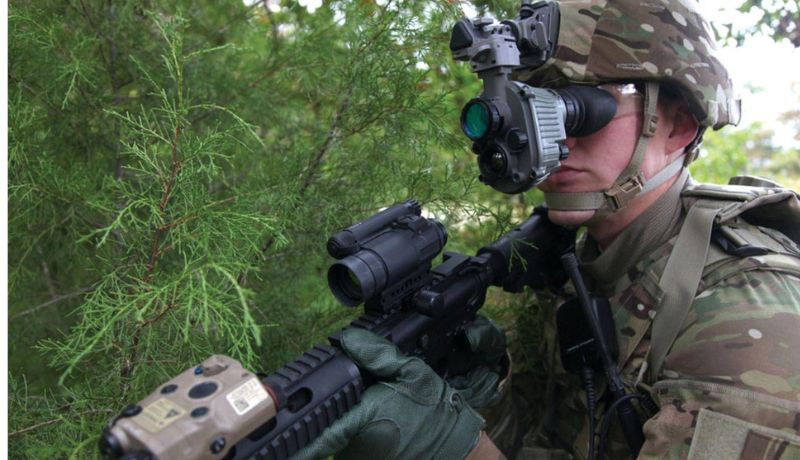
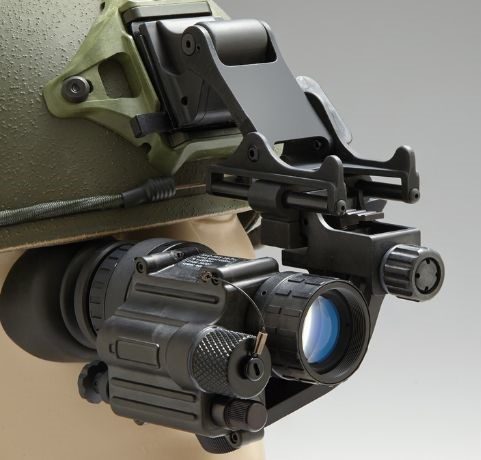
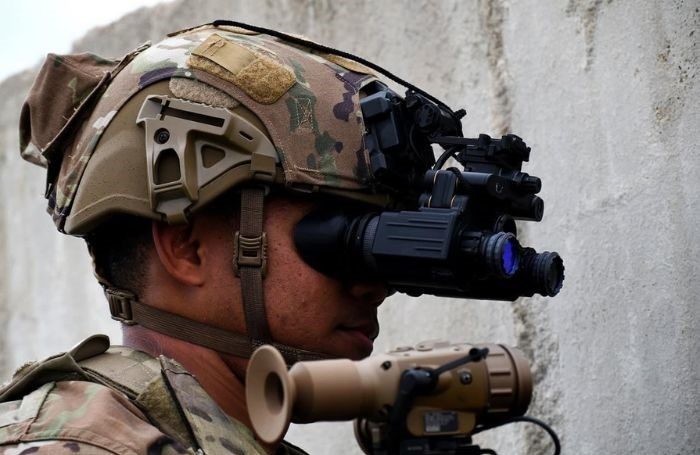
In addition to these models, the military also employs advanced thermal and night vision binoculars for operations conducted in low-light or nighttime environments. The AN/PVS-14 monocular is a highly versatile piece of equipment that can be used independently or mounted on helmets or firearms, offering night vision capabilities with its advanced image intensification technology.
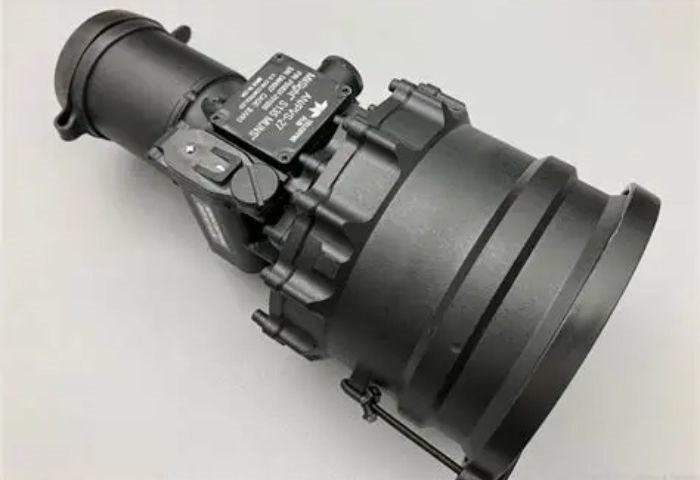
For long-range observation and precision targeting, the military utilizes laser rangefinding binoculars such as the AN/PVS-27 MUNS (Magnum Universal Night Sight). This device integrates standard binocular functions with laser rangefinding and thermal imaging, allowing soldiers to accurately determine distances to targets and operate effectively in diverse combat conditions.
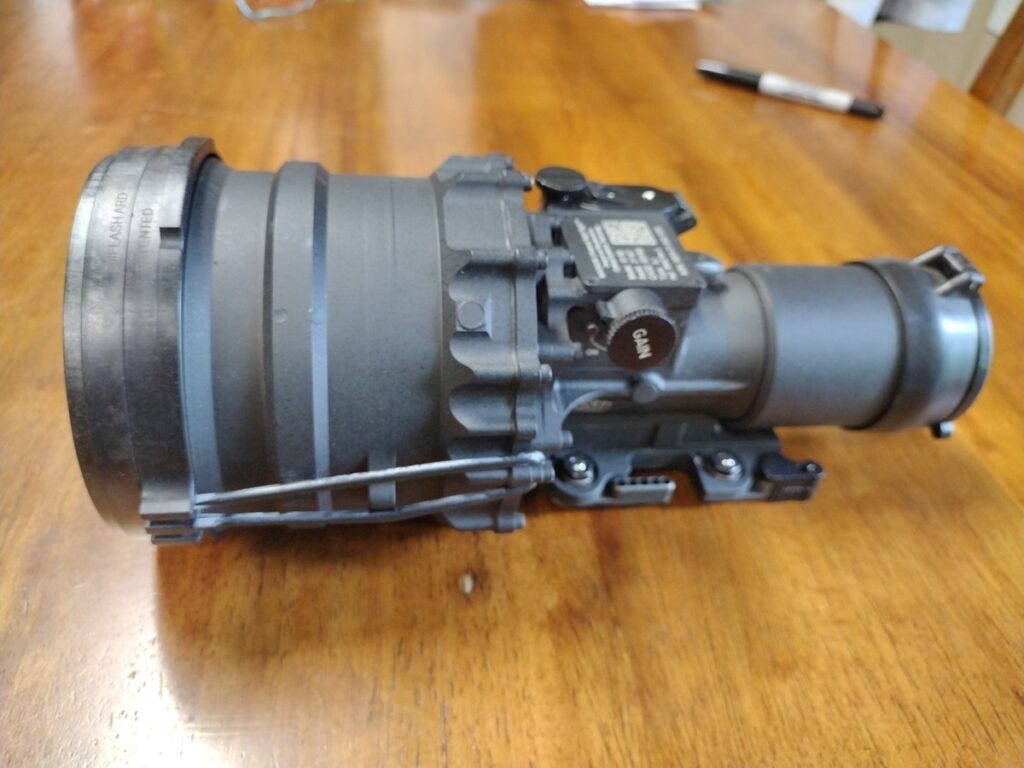
Each of these military-grade binoculars is designed with specific features and technologies to support various operational roles, providing soldiers with crucial visual advantages on the battlefield.
Key Features of Military Binoculars
Military binoculars are engineered to meet the rigorous demands of battlefield conditions and diverse operational scenarios. Here are some key features that distinguish military-grade binoculars from their civilian counterparts:
- Durability and Ruggedness: Military binoculars are built to withstand harsh environments and tough handling. They often feature reinforced housings made from impact-resistant materials and are designed to be waterproof, fog-proof and shock-proof, ensuring they perform reliably in extreme weather and rough terrain.
- Advanced Optics: Superior lens quality and coatings are standard in military binoculars, providing enhanced light transmission, clarity and color fidelity. These optics minimize aberrations and ensure that soldiers can identify details even in challenging lighting conditions.
- Magnification and Field of View: Most military binoculars offer magnification levels between 7x to 10x, balancing the need for detail with the practicality of handheld use. A wide field of view is crucial for situational awareness, allowing soldiers to scan large areas.
- Night Vision and Thermal Imaging: For operations in low-light or nighttime environments, military binoculars often incorporate night vision or thermal imaging technologies. These features enable soldiers to see in complete darkness and detect heat signatures, providing a significant tactical advantage.
- Laser Rangefinding: Many military binoculars include integrated laser rangefinders, allowing precise distance measurement to targets. This capability is essential for artillery spotting, sniper operations and coordinating movements and strikes in combat scenarios.
- Ergonomics and Usability: Designed with the user in mind, military binoculars usually have features like non-slip grips, adjustable eyecups and large focus knobs, making them comfortable and easy to use even with gloves on or under high-stress conditions.
- Modular Design: Some military binoculars can be easily adapted or combined with other gear. For instance, they might include mounting options for tripods, compatibility with helmet mounts, or integration with other optical devices like rangefinders and filming equipment.
These features ensure that military binoculars provide unparalleled performance, offering soldiers the visual clarity and reliability they need to conduct missions effectively and safely.
Types of Binoculars Used by Different Military Branches
Different branches of the military often have unique operational requirements, which are reflected in their choice of binoculars. Here’s an overview of the types of binoculars preferred by various military branches:
Army
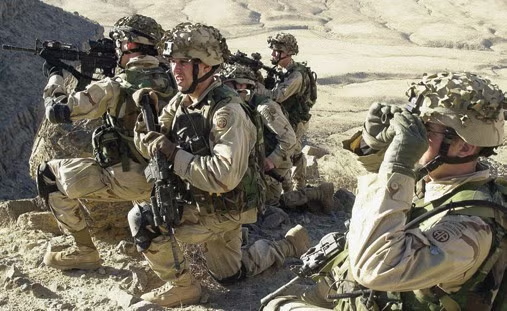
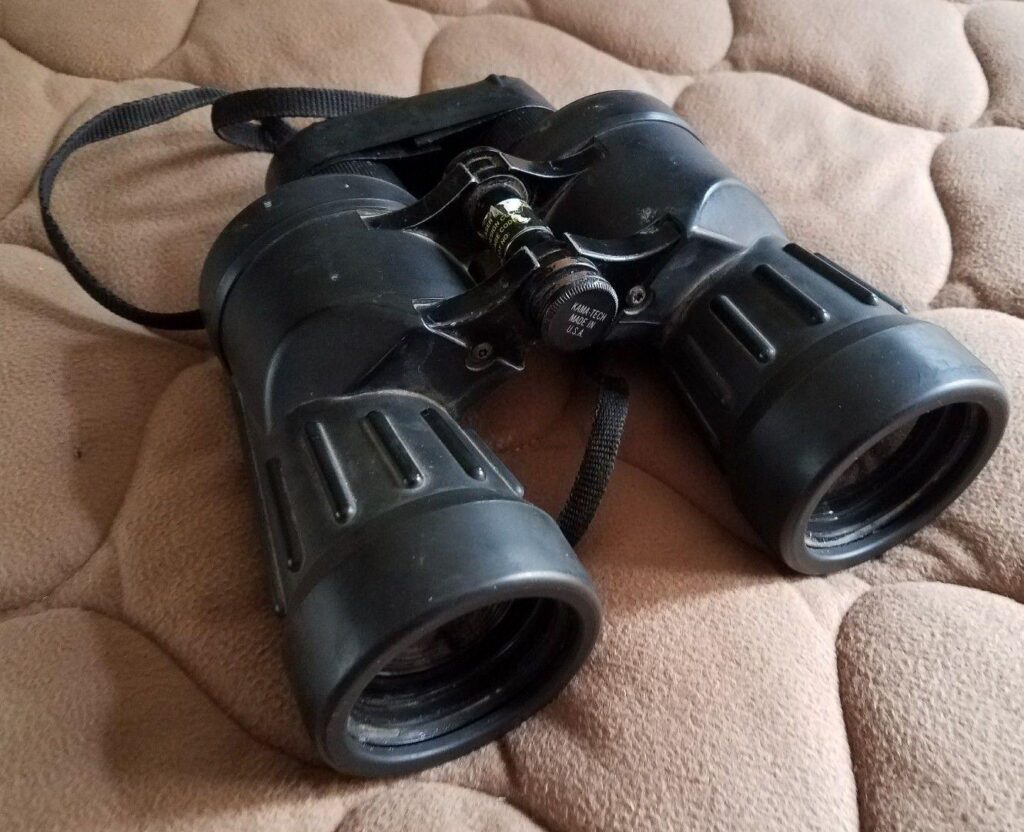
The U.S. Army relies heavily on the M22 and M24 binoculars for their general versatility and reliability across various environments. The M22, with its 7x magnification and 50mm objective lens, offers robust performance for surveillance and reconnaissance. For more specialized roles, the Army uses the AN/PVS-14 night vision monocular, which can be attached to weapons or helmets, providing clear vision during nighttime operations.
Navy
Naval operations demand highly durable and water-resistant equipment. The M25 binoculars are frequently used due to their rugged build and excellent optical performance. These binoculars are designed to withstand the harsh maritime environment, with features like nitrogen-purged lenses to prevent fogging and waterproof housings. The Navy also uses the AN/PVS-27 MUNS for night operations, especially on ships and submarines where both visibility and rangefinding are critical.
Air Force
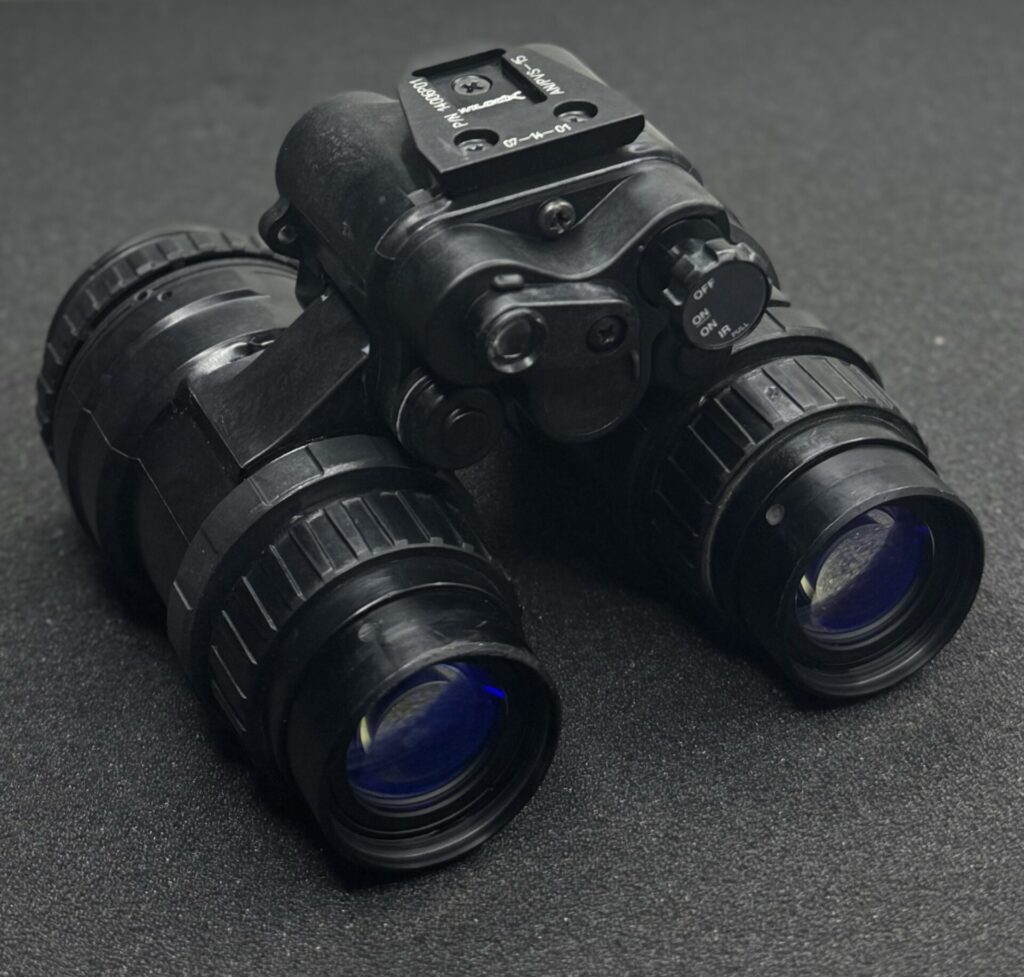
The Air Force employs binoculars that are compact and efficient, suitable for both airbase protection and aircraft missions. The M24 compact binoculars are favored for their portability and ease of use. For night vision, the Air Force often relies on the AN/PVS-15, a lightweight binocular that combines night vision capabilities with a wide field of view, crucial for aircrew and ground personnel alike.
Marines
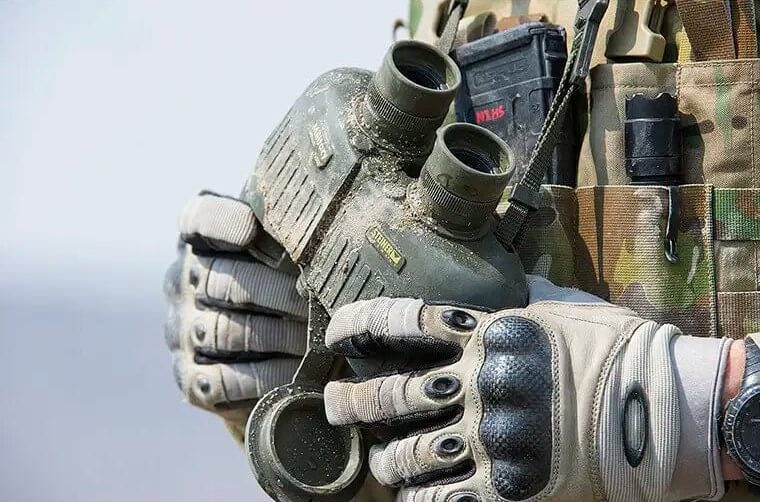
Marine units require binoculars that are as rugged and adaptable as their missions. The Steiner 8×30 Military-Marine binoculars are a common choice among the Marines because of their robust military design, waterproof construction and high-contrast optics that perform well in both bright daylight and low-light conditions. For specialized operations, the AN/PVS-31 BNVD (Binocular Night Vision Device) is utilized, offering advanced image intensification technology for enhanced night vision capabilities.
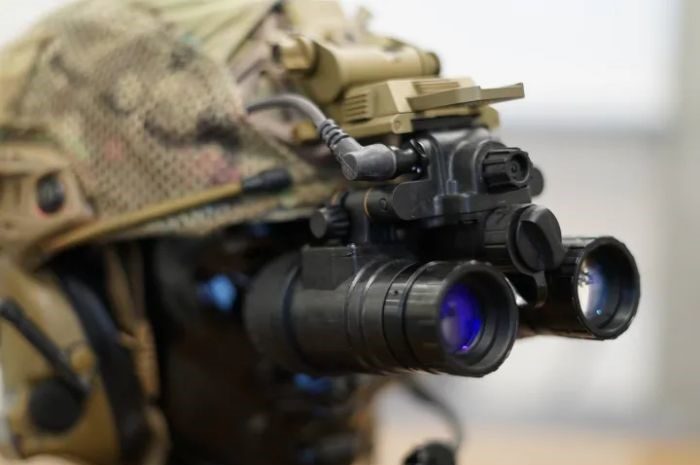
Each military branch selects binoculars that best suit its unique operational demands, ensuring that personnel have the best tools available to maintain situational awareness and achieve mission success under varied and often challenging conditions.
How Military Grade Binoculars Differ from Others
Military-grade binoculars are distinct from standard consumer models in several significant ways, primarily due to the demands of battlefield environments and the specific operational requirements of the armed forces. Here are some of the key differences:
- Build Quality and Durability: Unlike most consumer binoculars, military-grade binoculars are engineered to endure extreme conditions. They feature robust, shock-absorbing polymers, ruggedized housings and are often fully sealed to be waterproof and fog-proof. Their construction is designed to withstand drops, impacts and the corrosive effects of salty sea air or desert sand.
- Optical Performance: The lens quality and coatings used in military binoculars far surpass those in standard models. Military optics provide superior light transmission, clarity and color accuracy to ensure clear visibility in various lighting conditions. They also have enhanced anti-reflective coatings to prevent detection from enemy forces.
- Advanced Features: Military binoculars are equipped with advanced technologies that are rarely found in civilian versions. This includes integrated night vision, thermal imaging capabilities and laser rangefinders, which are crucial for detecting targets, measuring distance and operating in low-light environments.
- Magnification and Field of View: While consumer binoculars may offer higher magnification, they often compromise on the field of view and stability. Military-grade binoculars generally strike a balance between magnification and a wide field of view, allowing for effective scanning of large areas without losing the quality of the image.
- Ergonomics and Usability: The design of military binoculars places a high emphasis on usability in rugged conditions. They often feature non-slip grips, oversized focus wheels for use with gloves and adjustable eye cups to accommodate different users, including those with eyeglasses. Such ergonomic design ensures ease of use in stressful and fast-paced scenarios.
- Customizability and Integration: Military binoculars can often be customized or integrated with other field equipment. For instance, they may feature mounts for helmets, tripods, or weapon systems and compatibility with external devices like cameras and GPS units. This modularity allows for greater versatility in various mission types.
- Reliability: The reliability of military binoculars is essential as they must function consistently in critical situations. They undergo rigorous testing and quality control processes to ensure they perform flawlessly under battlefield conditions, which is not always the case with consumer-grade binoculars.
These differences make military-grade binoculars unparalleled in their performance, ensuring that soldiers have the reliable, high-quality tools necessary for successful mission execution under the most challenging conditions.
Leading Manufacturers of Military Binoculars
The development and production of military-grade binoculars are spearheaded by several renowned manufacturers who have continually set the benchmark for optical excellence and ruggedness. These companies have a legacy of delivering high-performance equipment tailored to the rigorous demands of military applications. Some of the leading manufacturers include:
Steiner Optics
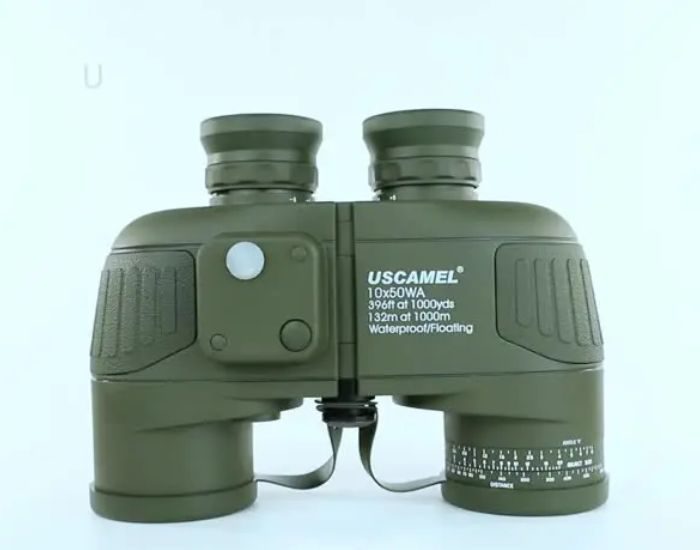
Steiner Optics is a globally recognized leader in high-quality optical devices, known for their robust construction and cutting-edge technology. Founded in Germany, Steiner has a long history of producing reliable and durable binoculars that are trusted by military forces worldwide. Their Military-Marine series, for instance, is celebrated for its waterproof design and superior optical clarity, making it a favorite among marine units.
Nikon
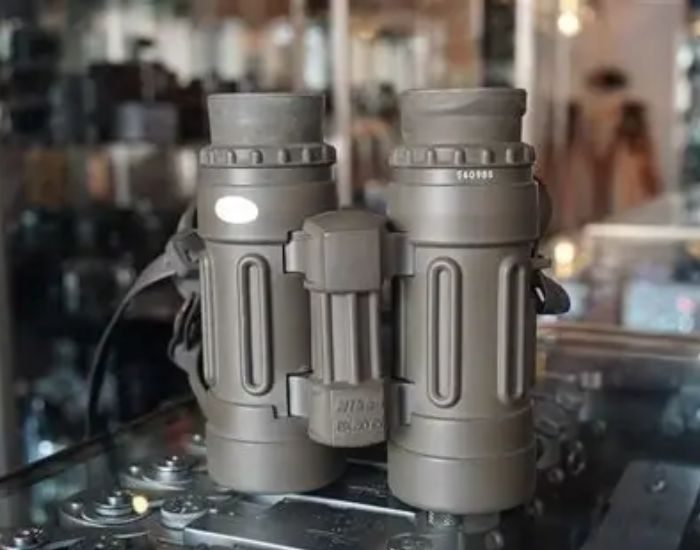
Nikon is another prominent name in the optics industry, offering a wide range of high-precision binoculars that meet stringent military specifications. With their advanced lens technologies and durable build, Nikon’s military binoculars provide exceptional light transmission and image quality, ensuring optimal performance in varied environmental conditions.
Bushnell
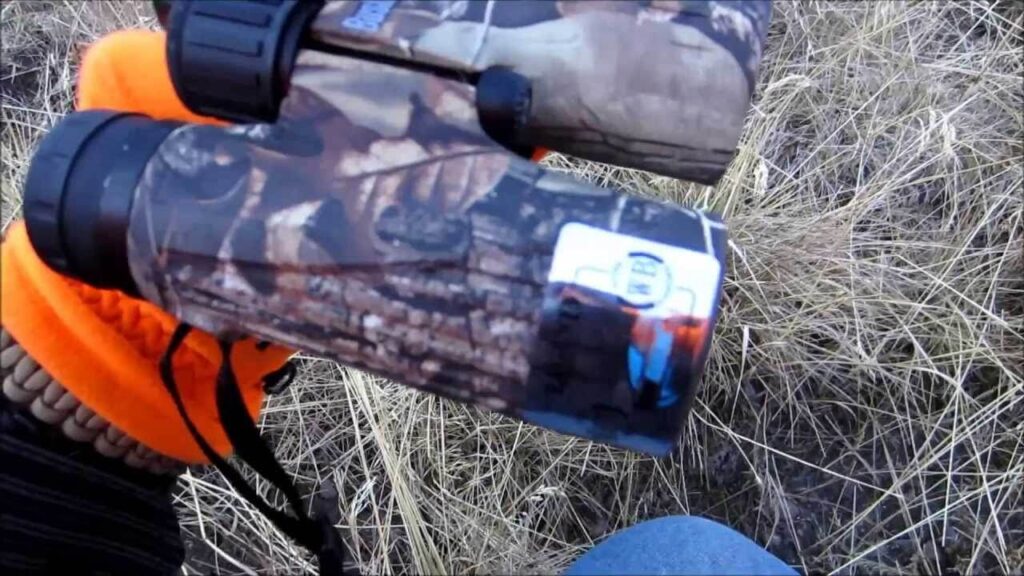
Bushnell is an American company with a reputation for producing reliable and cost-effective optical equipment. Their military-grade binoculars are designed with ruggedness and precision in mind, featuring advanced coatings for enhanced clarity and durability in harsh conditions. Models like the Bushnell Legend Ultra HD binoculars are popular among various military branches for their balanced performance and robust build.
Leica
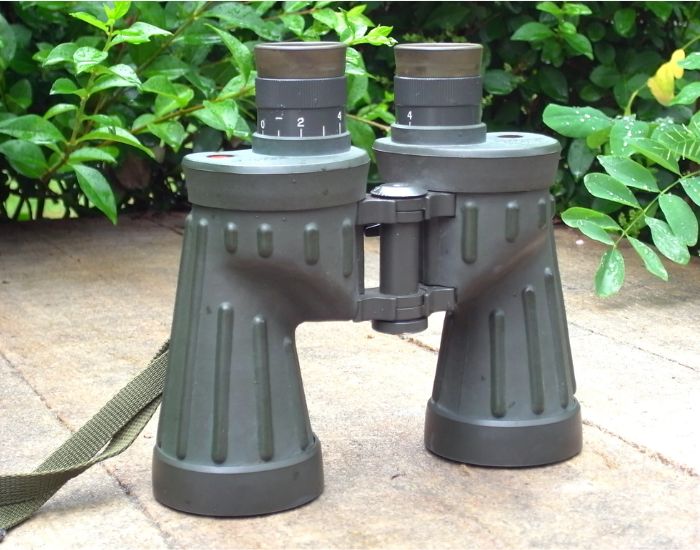
Known for its precision engineering and optomechanical expertise, Leica produces some of the most sophisticated binoculars available. Their military binoculars boast superior lens quality and ergonomic designs, optimized for extended use in challenging environments. Leica’s commitment to innovation and quality ensures that its products deliver unmatched clarity and reliability.
Zeiss
Carl Zeiss AG, commonly known as Zeiss, is a historic and influential name in the field of optics and optoelectronics. Zeiss military binoculars are lauded for their state-of-the-art lens coatings and innovative features like integrated rangefinders and night vision capabilities. The durability and optical excellence of Zeiss products make them a top choice for armed forces around the world.
These manufacturers are at the forefront of optical technology, continually enhancing the performance and reliability of military binoculars to meet the evolving needs of modern warfare. By leveraging advanced materials, precise engineering and innovative features, they ensure that military personnel are equipped with the best possible tools to succeed in their missions.
Case Studies and Real-World Applications
Operation Desert Storm
During Operation Desert Storm, military binoculars played a critical role in providing coalition forces with the ability to conduct effective reconnaissance and target acquisition in the vast desert landscapes of Kuwait and Iraq. The harsh, sandy environment required equipment that could withstand extreme conditions and military-grade binoculars from manufacturers like Steiner Optics and Zeiss proved indispensable. These optics allowed soldiers to identify enemy positions and navigate the terrain efficiently, significantly contributing to the mission’s success.
Operation Enduring Freedom
In the rugged mountains of Afghanistan during Operation Enduring Freedom, military binoculars equipped with night vision and thermal imaging capabilities were crucial. Forces utilized binoculars from Nikon and Bushnell to conduct night-time operations and detect heat signatures from potential threats. These advanced features enabled troops to maintain situational awareness and execute covert operations with greater precision, ensuring their safety and mission
effectiveness.
Maritime Piracy Interdiction
Naval forces tackling maritime piracy off the coast of Somalia relied heavily on high-quality binoculars to monitor vast sea areas and identify suspicious vessels from afar. Binoculars from companies like Leica and Steiner, known for their waterproof and marine-specific designs, were essential. These tools allowed naval personnel to conduct thorough surveillance under challenging conditions, thus aiding in the prevention and intervention of piracy activities.
Humanitarian Missions
Military-grade binoculars are also valuable in humanitarian missions, such as disaster response and search-and-rescue operations. For example, during the aftermath of the 2010 Haiti earthquake, rescue teams used these binoculars to locate survivors amidst the rubble and coordinate relief efforts. The reliability and clear visibility provided by optics from manufacturers like Zeiss and Nikon were critical in such life-saving endeavors.
Counter-Terrorism Operations
In urban environments, counter-terrorism units employ military binoculars to conduct surveillance from concealed positions. The integration of features like laser rangefinders and image stabilization in binoculars from brands like Bushnell and Leica enhances the ability to monitor targets and measure distances accurately. This technology enables precise planning and execution of tactical operations, ensuring minimal collateral damage and higher mission success rates.
These case studies illustrate the diverse applications and the essential role that military binoculars play in modern military and humanitarian operations. The combination of advanced technology, rugged design and optical excellence provided by leading manufacturers ensures that these tools remain a cornerstone of effective operational strategy in various real-world scenarios.
Final Thoughts
The evolution of military binoculars reflects the ongoing advancements in optic technology and the escalating demands of contemporary warfare and humanitarian missions. Leading manufacturers such as Nikon, Bushnell, Leica and Zeiss have set a high standard in the industry, offering indispensable tools that foster greater precision, reliability and versatility for military personnel and emergency responders.
Not only do these high-tech binoculars aid in completing military missions successfully, but they also protect soldiers’ lives by providing vital information from a safe distance. Whether you’re a bird watcher, nature enthusiast, or just looking for some high-quality optics for your next trip, understanding what binoculars the military uses can help guide your purchasing decisions.
So next time you hold a pair of binoculars in your hand, remember the crucial role they play in keeping our country safe and how their advancement continues to revolutionize military operations worldwide.