As hunters, we always seek ways to improve our skills and enhance our experience outdoors. While most of us are familiar with using a spotting scope to spot a game from a distance, this tool can also be used for another popular outdoor activity – birding.
Yes, you read that right! Birding is not just for avid bird watchers anymore; it offers an excellent opportunity for hunters to sharpen their observation skills and appreciate the beauty of nature’s smaller creatures.
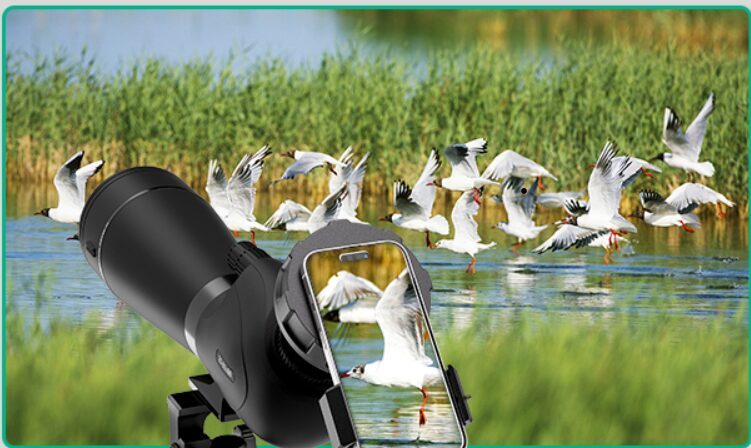
In this blog post, we will explore how spotting scopes can be used for birding and share some valuable step guides on making the most of your hunting gear.
Understanding Spotting Scopes
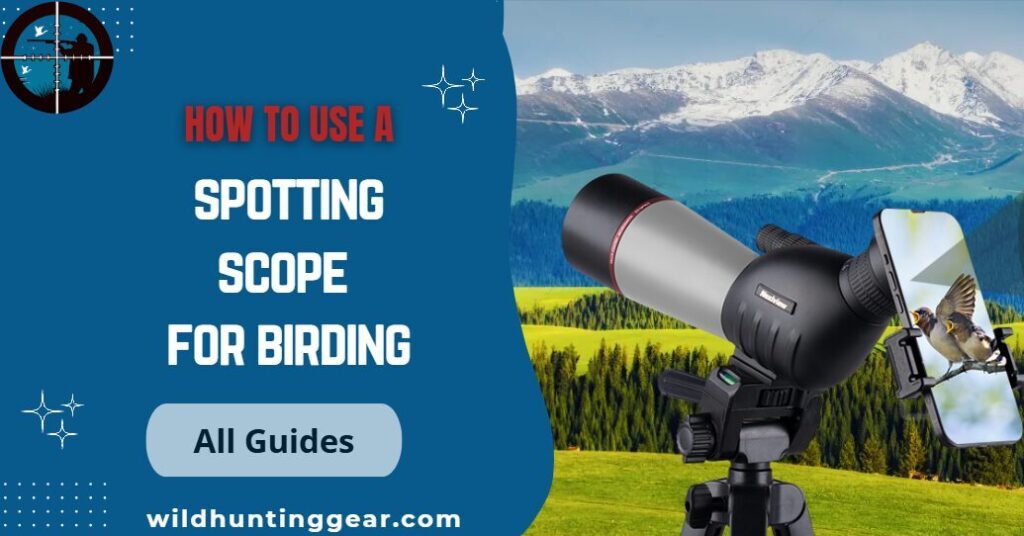
A spotting scope is a high-powered optical instrument designed for detailed observation of distant objects. It typically features a larger objective lens and higher magnification capabilities compared to standard binoculars.
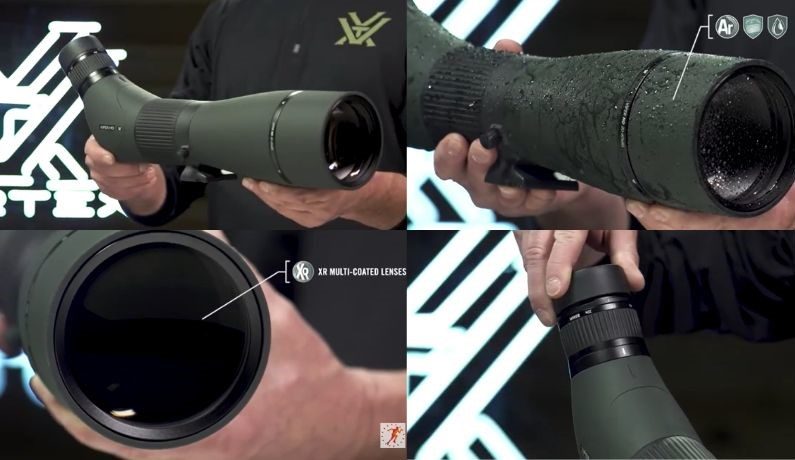
Key components of a spotting scope include the objective lens, which gathers light; the eyepiece, which provides magnification; and the prism system, which ensures that the image is correctly oriented. Some models also boast advanced features such as interchangeable eyepieces and tripod mounts for stability.
Types of Spotting Scopes (Angled vs Straight)
Spotting scopes come in two main types: angled and straight.
Angled spotting scopes have an eyepiece positioned at a 45-degree angle to the body of the scope, making them comfortable to use for extended periods, especially when mounted on a tripod. They are also easier to use when observing objects at varying heights.
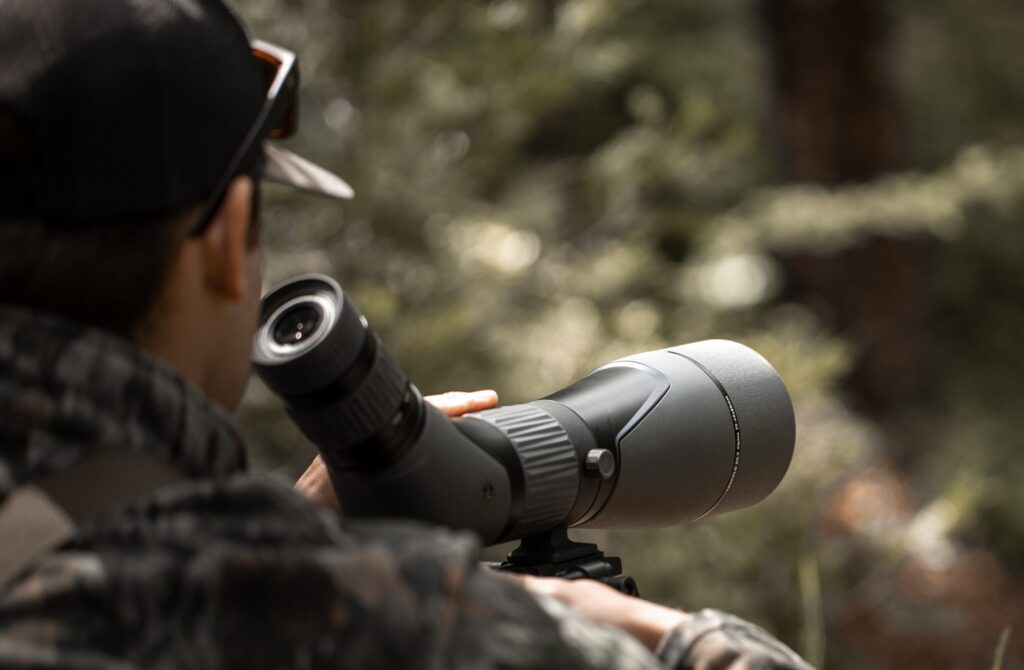
Straight spotting scopes, in contrast, have an eyepiece aligned directly with the barrel, making them more intuitive for tracking moving subjects and quicker for target acquisition. Each type has its advantages and the choice depends on personal preference and intended use.
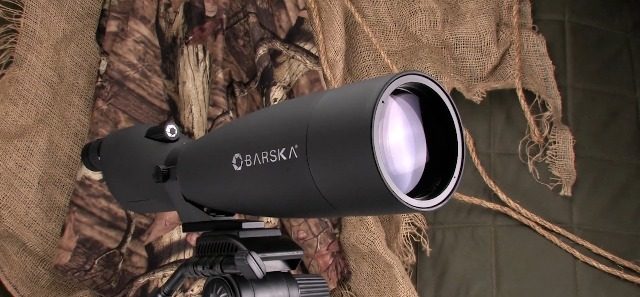
A step-by-step guide to choosing the right spotting scope for birding
Step 1: Determine Your Budget
Before diving into the technical details of spotting scopes, it’s essential to establish a budget. Spotting scopes can range from a couple of hundred dollars to several thousand. Knowing your budget helps narrow down the options and allows you to focus on features that are most important within your price range.
Step 2: Choose Between Angled and Straight Scopes
Decide whether an angled or straight scope better suits your birding style. Angled scopes are typically more comfortable for extended use and are better when observing from a fixed position, like a birding hide. Straight scopes, on the other hand, are advantageous for tracking birds in motion and can be quicker to set up and aim.
Step 3: Consider the Objective Lens Size
The size of the objective lens, measured in millimeters, is crucial as it determines the scope’s light-gathering ability. Larger lenses (60mm to 80mm) are excellent for low-light conditions and offer brighter images but tend to be heavier. Smaller lenses (50mm to 60mm) are lighter and more portable but may not perform as well in dim lighting.
Step 4: Evaluate Magnification Power
Spotting scopes offer a range of magnification levels, typically between 15x and 60x. Higher magnification allows you to see finer details but can also make the image dimmer and more susceptible to vibrations. A zoom eyepiece that allows you to adjust the magnification based on your needs and conditions can be beneficial.
Step 5: Check the Field of View
The field of view (FOV) indicates the width of the area you can see through the scope at a specific distance. A wider FOV is ideal for locating and following birds, especially in dense habitats. As magnification increases, the FOV typically decreases, so finding a balance is key.
Step 6: Assess Portability and Weight
If you plan on covering long distances while birding, consider the weight and portability of the spotting scope. Lightweight and compact models are easier to carry but may compromise on some optical performance aspects. Look for scopes made from durable yet lightweight materials.
Step 7: Test for Image Quality
Whenever possible, test the spotting scope’s image quality before purchasing. Look for scopes that provide clear, sharp images with true-to-life color representation. High-quality optics often come with additional coatings on lenses to reduce glare and improve overall image clarity.
Step 8: Look for Additional Features
Consider other features that could enhance your birding experience, such as waterproof and fog-proof construction, retractable sunshades, or compatibility with phone adapters for digiscoping. These features can add convenience and extend the scope’s usability in various weather conditions.
Step 9: Seek Reviews and Recommendations
Finally, read online reviews and seek recommendations from fellow birders. Experienced birders can provide insights into the performance and durability of different scopes, helping you make a more informed decision.
By following these steps, you’ll be well-equipped to select a spotting scope that enhances your birding adventures, making every moment in nature more enjoyable and fulfilling.
How to Setting Up Your Spotting Scope for Birding
Once you have selected your spotting scope, it’s time to set it up for birding. Here are some tips to help you get started:
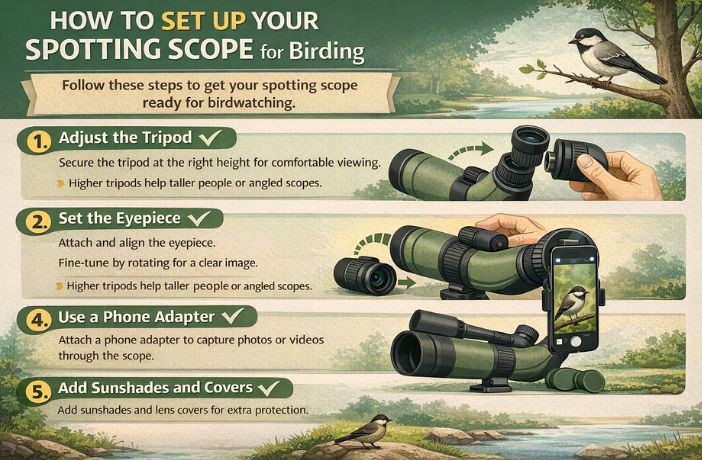
- Adjust the tripod: The first step is to ensure that your tripod is sturdy and at the right height for comfortable viewing. Keep in mind that a taller tripod may be necessary for taller people or when using angled scopes.
- Set the eyepiece: Next, attach the eyepiece carefully, making sure it is properly aligned with the prism system. You may need to fine-tune this by rotating the eyepiece until you see a clear image.
- Adjust the focus: Use the focusing knob to adjust the focus until you see a clear, sharp image of your subject. Some scopes also have a fine-focus adjustment for more precise tuning.
- Use a phone adapter: If you plan on taking pictures or videos with your scope, consider investing in a phone adapter that allows you to attach your smartphone to the eyepiece for digiscoping.
- Add sunshades and lens covers: Attach any additional accessories such as retractable sunshades or protective covers before heading out into the field.
With these tips in mind, you’ll be ready to take your spotting scope out into the field and start birding. Remember to always handle your scope with care and follow any maintenance instructions provided by the manufacturer to ensure its longevity.
Overall, spotting scopes are essential tools for birders of all levels. With a little research and consideration of personal needs, anyone can find a spotting scope that enhances their birding experience. So get out there, observe beautiful birds in their natural habitats and appreciate the wonders of nature with your trusty spotting scope by your side. Whether you’re an amateur birder or a seasoned pro, having the right equipment is crucial for successful and enjoyable birding
Maintenance and Care for Your Spotting Scope
Taking care of your spotting scope is essential to ensure its longevity and optimal performance. Here are some tips for maintenance and care:
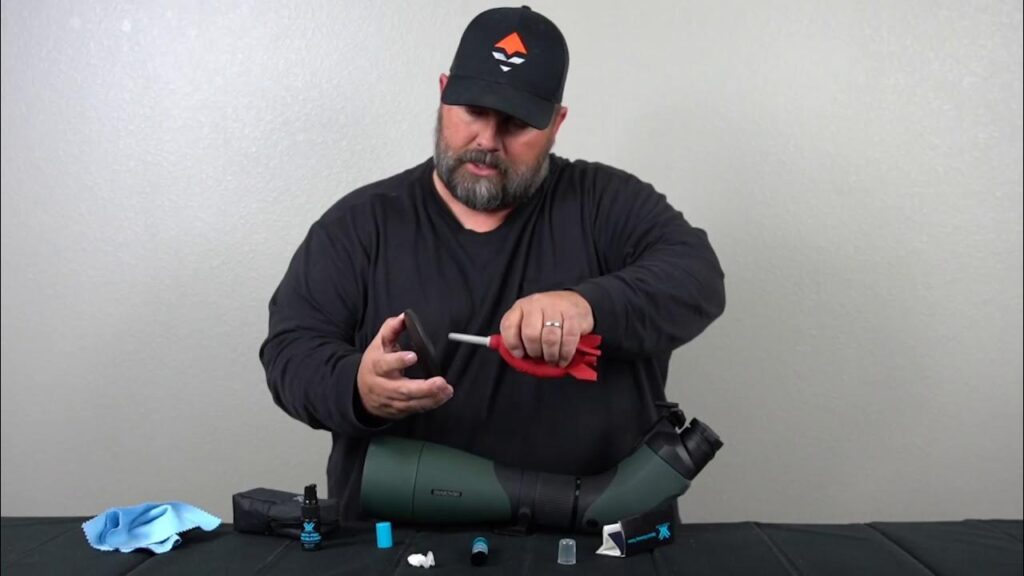
- Keep it clean: Regularly wipe the lenses with a microfiber cloth to remove any dirt, dust, or smudges. Avoid using harsh chemicals or materials that could scratch the lens.
- Store it properly: When not in use, store your spotting scope in a cool, dry place away from direct sunlight. Use a protective case or cover to prevent any damage.
- Avoid extreme temperatures: Do not expose your spotting scope to extreme temperatures as this can damage the internal components and affect its performance.
- Handle with care: Be gentle when handling your spotting scope, especially when adjusting the focus or zoom. Avoid dropping or banging it against surfaces.
- Inspect regularly: Periodically check for any signs of wear and tear, loose parts, or damage. If you notice anything out of the ordinary, consult the manufacturer for repairs or replacements.
By following these maintenance tips, you can ensure that your spotting scope remains in excellent condition for years to come. Remember to also refer to the manufacturer’s instructions for specific care recommendations for your particular model.
Conclusion
Spotting scopes are invaluable tools for birders, providing a closer look at birds and their behavior in their natural habitats. By considering factors such as magnification, field of view, image quality and additional features, you can select the perfect spotting scope for your needs.
Remember to always respect the birds and their habitats and never disturb them for the sake of a closer look. As avid birders, it is our responsibility to not only enjoy the beauty of these creatures but also protect them for future generations.
With a quality spotting scope by your side, you’ll be able to appreciate the beauty of nature and its feathered inhabitants like never before. So get out there with confidence and enjoy the wonders of birding with your trusty spotting scope by your side.